

Enjoy Your Patio Even When the Weather Turns Cool With a Small Electric Patio Heater
Unlike gas patio heaters, which require the connection to a propane tank as well as professional installation into an existing gas line, electric models are plug-and-go. The heaters can be connected to a standard outdoor outlet and controlled by remotes or a timer.
Depending on the model, these heaters can radiate temperatures of up to 12 feet and can be easily maneuvered on wheels that allow them to traverse over bumps and other obstacles in your backyard. They also don't produce carbon monoxide, which is a concern with some gas models.
Heat Output
Many people enjoy sitting on their patios and in their cozy backyard nooks. However, these areas can become cold as the temperature decreases. A small electric heater can warm up these areas and let you take advantage of your outdoor space long into the evening.
The best electric patio heater will have a great energy output and you can utilize its power settings to control the amount of heat it produces. This will allow you to keep your patio warm and warm without affecting your energy bills to much. Additionally, choose a model that has lower watts, as this will lower the amount of energy it consumes.
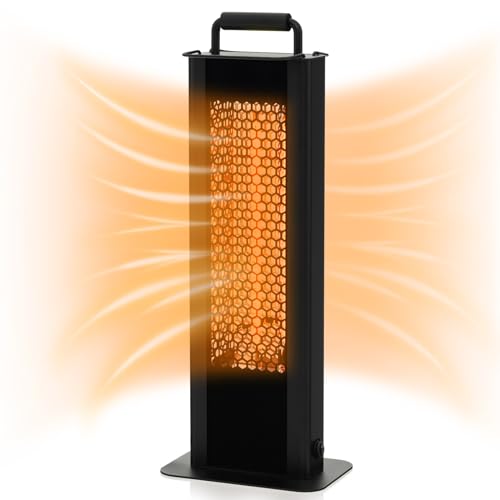
In terms of the effectiveness of heating, a patio heater's BTU rating is the most important aspect to take into consideration. The higher the BTU rating, the larger space it can be able to warm. For instance, a heating unit with a BTU rating of 40,000 will be able to warm the patio to up to 1,000 square feet.
The heat output of patio heaters is also influenced by whether they're covered or not. Covered patios reduce heat loss, allowing the heater to retain its heat for a longer period of time. Uncovered patios lose more heat as it rises in the air. The type of patio furniture can affect the effectiveness of a heater for the patio.
For instance glass and metal tables are better at reflecting heat than wooden or plastic tables. While the latter two materials are less expensive but they're not as effective at bringing warmth to your patio.
It's important to remember that based on the fuel source your patio heater may need to be placed in a well ventilated space. Carbon monoxide is released from natural gas and propane heaters. This is a risk in enclosed spaces. They should only be used outside or in a well-ventilated space as per the manufacturer's instructions. On the other hand, electric heaters don't emit any harmful substances and are safe to use in restricted areas.
Safety Features
Patio heaters can provide a cozy touch when enjoying the outdoors, but they are not without risk. Propane heaters as well as natural gas heaters can produce dangerous carbon dioxide if used correctly. Look for models that have safety features such as tip-over switches or protection against overheating. To ensure proper use it is also recommended to read the instructions and cautions provided by the manufacturer.
You should also perform routine maintenance on your heater. Make sure that all connections are secure, and the gas lines aren't leaking. leak. If you're using an electric model, it's essential to keep flammable materials such as paper or fabric away from the heating element, as emitted heat can cause fires when they come into contact with these items. Standing heaters are at risk of falling over so make sure they're set on flat surfaces and away from anything that might fall on them.
A lot of natural-gas and propane heaters come with flame failure devices, which shut off the fuel supply in the event of a fire out. Certain heaters come with an automatic tip-over shut-off that detects when it tilts or moves away from an even surface. While these features may reduce the chance of injury, you must be cautious about the place you put them and make sure you don't leave them unattended while they're operating.
Carbon monoxide detectors are yet another security feature to take into consideration. This is a must-have feature to any home, but is especially crucial when you use gas patio heaters. This device will alert users to the dangers of carbon monoxide. Carbon monoxide can build up in enclosed spaces quickly, and can cause death.
If you're seeking an electric heater make sure you choose one with remote control and programmable timing to assist you in setting the ideal amount of warmth for your space. These options let you control your heater easily while enjoying the outdoors. For homes with a style-oriented preference, consider models that can be hung to the ceiling or recessed into the wall. visit my web site will help save space. These units are more discreet than larger models, which makes them ideal for smaller spaces that don't wish to sacrifice style.
Power Options
There are a variety of options available when it comes to power your new patio heater. The size of your patio as well as the energy sources you have and your personal preferences will determine if you choose an electric or gas powered heater.
Generally speaking, hanging electric patio heater are more cost effective and more user-friendly than their gas counterparts. Connect them to conventional electrical outlets, and they can be turned on by pressing a button or flipping a switch. A lot of these heaters come with multiple heat settings as well which allows you to control exactly how much warmth your room receives. They are also ideal for areas prone to wind because they won't get blow out by gusts of wind like gas heaters are.
Gas patio heaters can be heated to 215ft2 and are renowned for their high output. Depending on the type of gas used, they can be hooked up to natural or propane gas lines, or operated with portable cylinders that can be filled with propane or wood pellets as needed. Unlike electric models, gas heaters require a minimum 25 percent of the area surrounding the burner in order to function safely, and are more likely to emit carbon monoxide when not properly ventilated.
The Btu (British Thermal Units) is the unit of measurement for the amount of heat generated by gas patio heaters. When shopping for an option consider the square footage of your outdoor space into consideration and select one with more Btu rating to give you the best heating coverage. For instance, a 2,000-square foot patio will require a patio heater with a 40,000-Btu capacity.
While there are benefits to choosing propane-powered patio heaters, it's important to remember that you'll need to regularly buy and replace fuel for this option. According to Thomas Bonfiglio CEO and founder of Triple T Hospitality a 40,000 Btu model consumes approximately two pounds of propane every hour when it is on full power.
If you're looking for a greener alternative, think about a pellet patio heater instead. These models operate on wood pellets that have been compressed, and are generally more affordable than other gas patio heaters. They are also less likely to release pollutants and burn more efficiently, resulting in less waste. They come in a variety of styles, including freestanding models as well as wall-mounted units that can be mounted on ceilings or walls.
The following are some of the most recent reviews:
Relax on Your Patio Even if the weather turns cold
A high-quality patio heater lets you take advantage of your outdoor space into the night and across all seasons. At Lowe's, we carry overhead, freestanding and commercial-grade patio heaters that can satisfy the requirements of your business or home. We also carry a selection of heating accessories such as controls and switches to aid in controlling the temperature and time of use of your patio heater.
The type of patio heater you select will depend on the dimensions of your outdoor space and the sources of power in your home or business. Electric models are plugged into 120-volt outlets of standard which makes them the simplest to install. Gas-powered patio heaters can be dangerous because they emit carbon monoxide. Electric models do not. They can be controlled remotely or by a timer, and a few come with multiple settings to allow for greater flexibility.
Patio heaters powered by propane and natural gas can heat up to 215ft2. Gas-fueled patio heaters require a gas source and should only be used in ventilated areas. They release carbon dioxide if they are not properly monitored. They might be a better choice for large outdoor living areas that you wish to keep warm all year long.
For smaller outdoor living spaces, a small standing patio heater like our top pick could be ideal. This model has a remote included and has an LED fire display that provides a decorative feature. It also comes with two heating modes (750W and 1500W) for different heating needs. It utilizes far-infrared technology which enhances metabolism and blood circulation while also providing warmth. It's ETL registered and has a waterproof structure that makes it ideal for courtyards, balconies and patios. It's easy to install and can be operated manually or with an integrated timer. The built-in thermal sensor turns off the heater when the temperature outside is too high to ensure your security.